The Tarbut educational network was a pioneering initiative that operated in Eastern Europe between the two World Wars, primarily in Poland, Lithuania and Latvia.
In 1917, at a conference of the Hebrew Language Society, the organisation was renamed "Tarbut" (meaning culture). Within a relatively short time, around 200 educational institutions were established, including kindergartens, vocational schools, gymnasiums and a university.
The network's schools taught all subjects in Hebrew, with an emphasis on modern Jewish values. They combined language studies, history, science, agriculture, sport and crafts, and were open to boys and girls alike.
at peak activity
in the 1930s
Eastern Europe
At its peak in the mid-1930s, the network comprised around 269 educational institutions attended by approximately 44,780 students and employing around 1,400 teachers – until the outbreak of the Second World War.
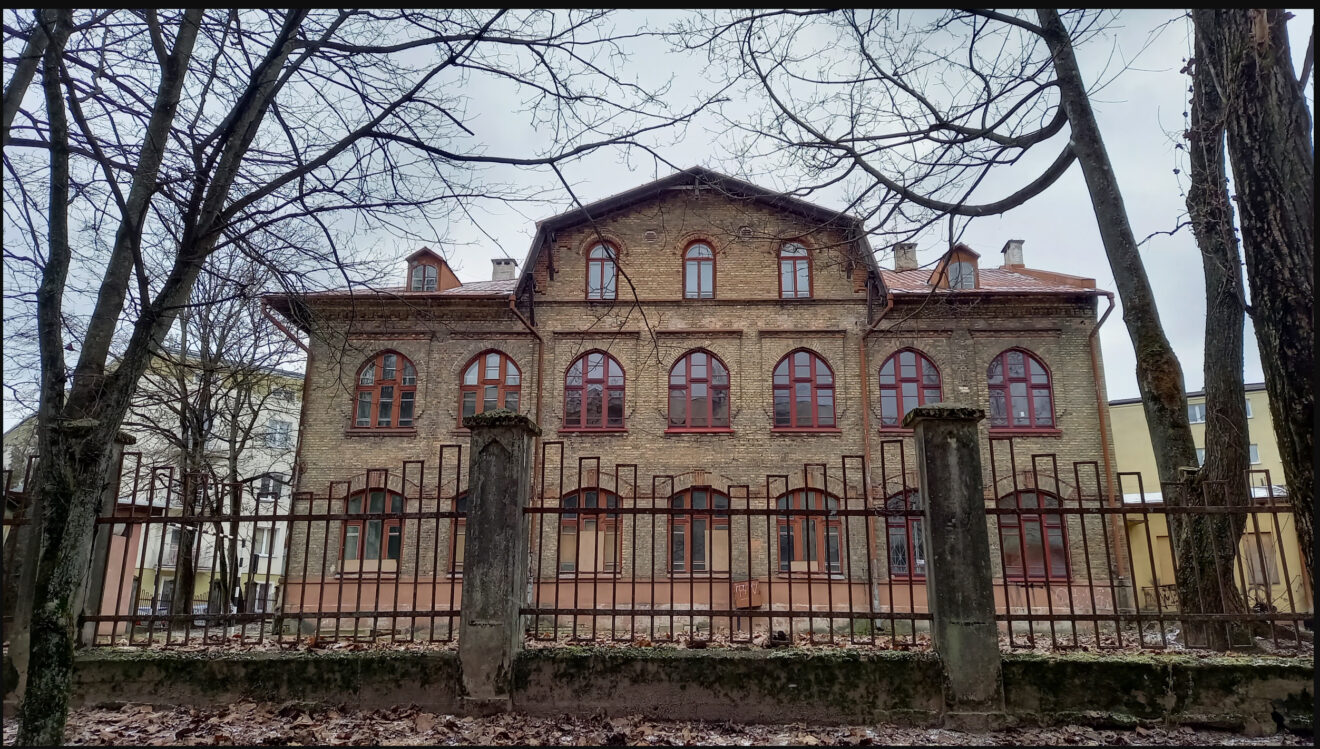
The building that remains of Tarbut School, Bialystok, Poland
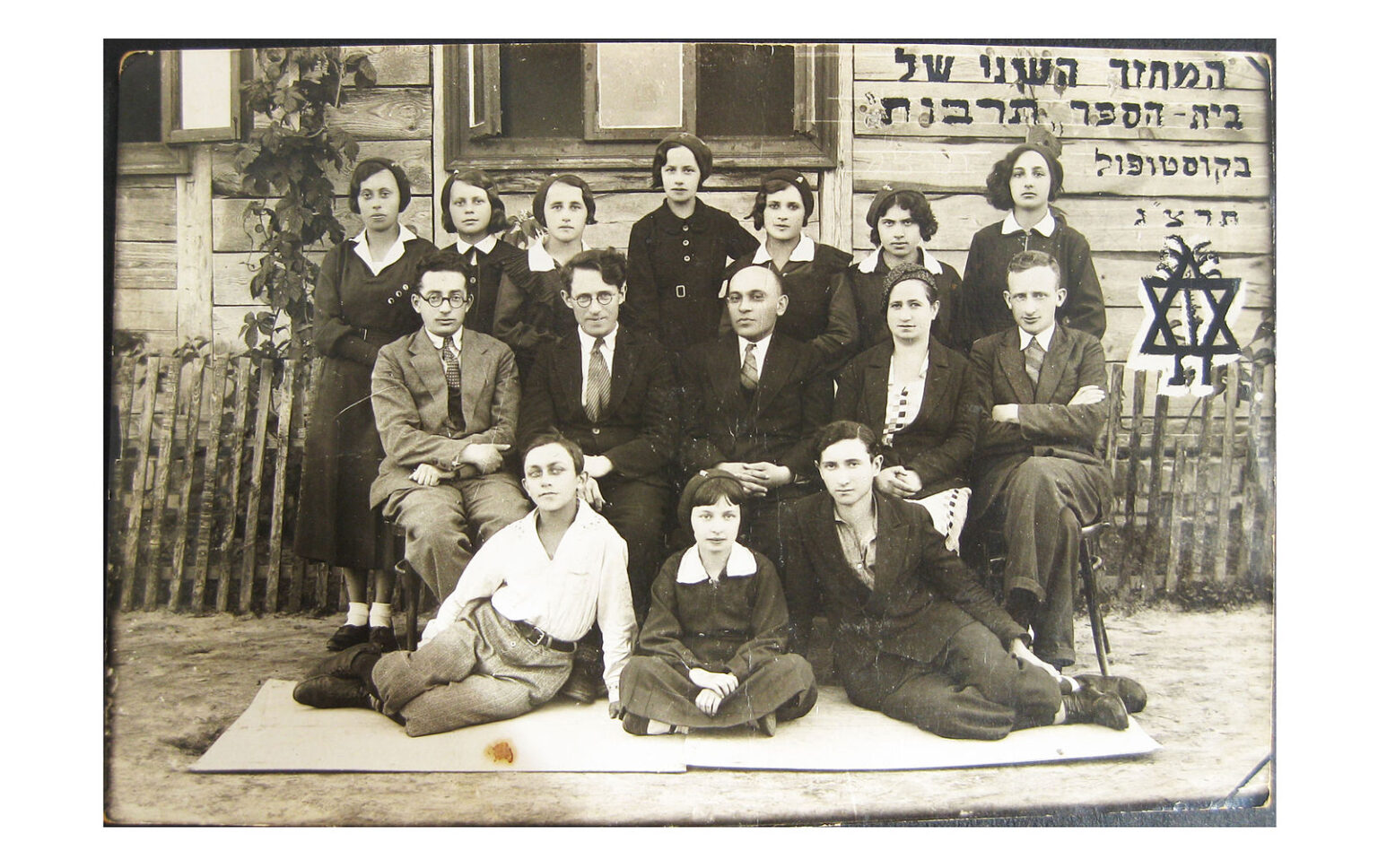
The second class of Tarbut School in Kostopol, Poland, 1933
The choice of the name "Tarbut" for our school is not coincidental. My partner is the grandson of Rachel Gornberg, who was born and raised in Białystok, Poland, and was educated at the local Tarbut school. After immigrating to Israel she founded the Tarbut school in Rishon LeZion – in memory of the students and teachers who studied in the European network – and it continues to operate in the city to this day.
For me, the name carries within it memory, values and roots, and symbolises the desire to continue the tradition of Hebrew cultural education even when we are far from home.